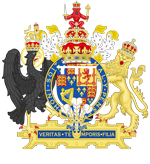
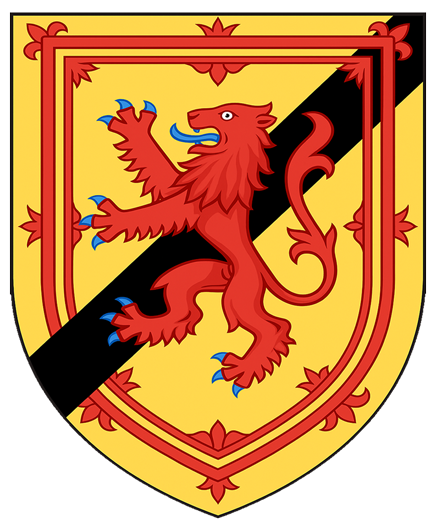
 The Scottish Crown
The Scottish Crown
The Scottish Crown
James Robert-Warwick Stuart is the Stuart Prince of Wales and a direct descendant of King James V of Scotland and Lord Francis Stuart, 5th Earl of Bothwell. He is the rightful Catholic heir to the British Crown, disbarred under the 1701 Act of Settlement due to his faith, yet never stripped of his bloodline nor his ancestral and moral right to stand for justice in his nation.
Born in the city of Manchester — the industrial and spiritual heart of working-class Britain — James grew up witnessing and experiencing both systemic discrimination and societal breakdown. Despite hardship and abandonment, he remained grounded in faith, driven by truth, and determined to honour his birthright not through entitlement, but by earning public trust and demonstrating enduring resilience.
In 1996, James became a survivor of CSA. His experiences of legal neglect, state failure, and institutional abandonment would later shape his unwavering determination to seek accountability on behalf of others. Having faced discrimination, false accusations, and systemic mockery due to his identity and background, he turned to law not as a profession — but as a duty to protect others from the very failures that scarred his own youth.
James's legal skill is entirely self-taught, sharpened through lived experience and real-world litigation, including cases involving police corruption, safeguarding failures, and constitutional violations. His recent Freedom of Information victories — particularly the exposure of discrimination against the Traveller community by Greater Manchester Police — demonstrate his capacity for lawful, strategic, and ethical intervention in public matters.
James descends from the ancient House of Stuart, through the line of King James V and his grandson, Lord Francis Stuart, via John Stewart, also known in history as Lord Darnley. His family was barred from the throne by the 1701 Act of Settlement, which outlawed Catholic succession in favour of the Hanoverian line. But as a Catholic heir with documented lineage and moral standing, James considers it his divine duty to defend the voiceless, speak truth to power, and restore righteousness in a kingdom increasingly led astray.
The Scottish Crown is not merely a symbol — it is a platform for truth, justice, and restoration. It is where ancestral authority meets modern activism. Through this platform, James champions the rights of the abused, the neglected, and the unheard. He exposes corruption, upholds scripture, and acts with a sense of royal responsibility — not to dominate, but to deliver mercy, healing, and judgment where institutions have failed.
James believes that Britain has lost its moral compass — but that through public accountability, spiritual revival, and lawful transparency, restoration is possible. He seeks not vengeance, but balance; not chaos, but divine order; not monarchy for privilege’s sake, but for public duty and covenant.
This site is a repository of truth, an archive of justice, and the voice of a man long silenced. Now, he speaks. Now, he acts. And the Crown of Scotland, long veiled, is no longer hidden.
His Royal Highness, James Robert-Warwick Stuart
Stuart Prince of Wales
Heir of the Scottish Crown
Defender of the Christian Faith and the Kirk of Scotland